
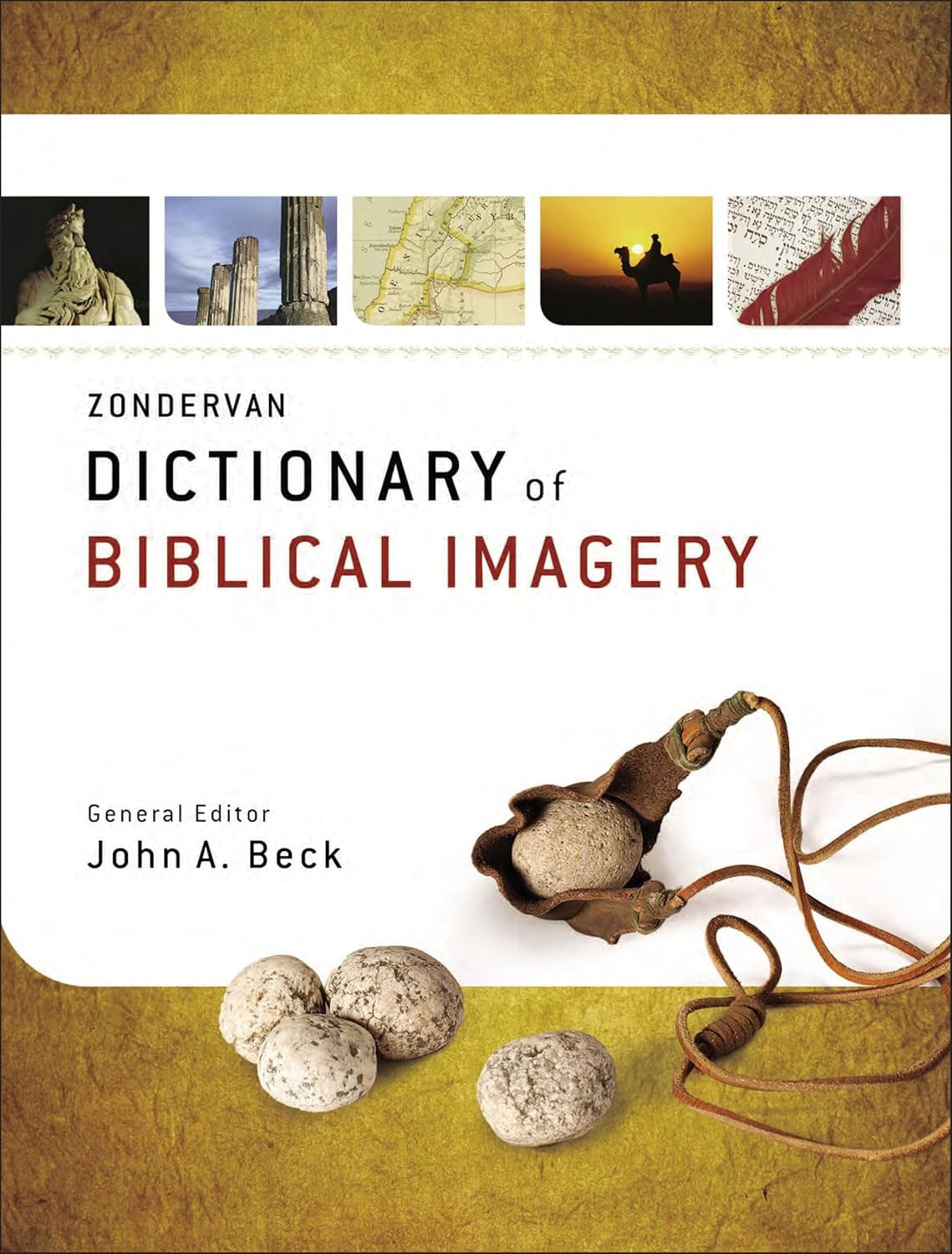
Zondervan Dictionary of Biblical Imagery
Learning the meaning and significance of biblical images will revolutionize your grasp of the Bible as a whole.
Scripture is packed with symbolic imagery and metaphors: looms, donkeys, water cisterns, grapes, sackcloth—all carry symbolic or emotional weight that sharpens the broader picture of the passage.
The biblical authors used their reality to enhance the impact of their message on the audience around them, and the language they used is rich with meaning. The words might be familiar today, but the cultural connotations of things like manna, millstones, or myrrh might be missed by contemporary Christians and might cause us to lose the fullest significance of the Bible passage.
The Zondervan Dictionary of Biblical Imagery surveys the use and connotations of familiar images in the Bible to illustrate the intricate and subtle ways they’re put to work in the text. The types of entries include:
- Cultural artifacts from the biblical world (such as arrow or sandal)
- Components of natural history (such as fox or fig tree)
- Named places (such as Mount Sinai or Nazareth)
- Components of Israel’s physical geography (such as mountain or wilderness)
Each entry describes an image’s characteristics, appearance, intended use, and cultural connotations, as well as the rhetorical impact of its use in the Bible. As you read, you’ll begin to understand things like why Jesus called for us to become the salt of the earth, why dew was a controversial topic in Bible times, and why a roof might be mentioned to draw attention to a violation of expected norms.
With accessible, well-illustrated entries and numerous black & white visuals, The Zondervan Dictionary of Biblical Imagery is an inspiring portal into the biblical world for any student of the Bible.
Very practical and useful resource.
Bookery
Granted, I just completed a life-changing 2-week field study with Dr Beck, so I am predisposed to love his written works. The only negative part of the trip was that I didn’t have the ability to pause and rewind him when he spoke. Having this book is the next best thing to walking alongside him in Israel as he explains what different items and locations meant in the cultural context of the original writing.
Heather
This book is easy to follow and has lots of biblical references for the imagery it discusses. I highly recommend it.
Jerry
A friend loaned me this book and I cannot wait to purchase more from this author. This book filled a huge gap in my understanding of the Bible. After reading many of the entries I returned to Scripture with fresh eyes–and read with a better cultural understanding about tombs, slings, and how milk was used in Bible times (just to name a few!). The author’s writing is not only clear but vibrant, and he makes intimate connections to the Bible text. This book is like an encyclopedia of cultural knowledge that all modern readers need to know to achieve a deeper understanding of their Bible.


